
Commercial pavement work for parking lots and roads plays a crucial role in ensuring safe, durable, and efficient surfaces for vehicles and pedestrians. Properly executed pavement projects enhance the functionality of commercial spaces while also contributing to the overall aesthetic appeal. The process involves several stages, including planning, site preparation, material selection, installation, and maintenance. Each step requires careful attention to detail to guarantee longevity and performance under heavy use.
Planning is the foundation of any successful commercial pavement project. This phase includes assessing traffic patterns, load requirements, drainage needs, and local regulations. Accurate evaluation helps determine the appropriate pavement type-whether asphalt or concrete-and guides decisions about thickness, reinforcement methods, and surface treatments. A well-designed plan minimizes future repairs by addressing potential issues before construction begins.
Annapolis paving company
Site preparation is essential for creating a stable base that supports the pavement structure. It typically involves clearing vegetation, grading the area to ensure proper drainage, compacting soil layers to prevent settling or shifting over time, and installing sub-base materials such as crushed stone or gravel. These steps help distribute loads evenly across the surface while preventing water infiltration that can weaken underlying layers.
Material selection significantly influences both cost-effectiveness and durability of commercial pavements. Asphalt is often favored for its flexibility and quicker installation times but may require more frequent maintenance compared to concrete explore service options. Concrete pavements provide exceptional strength and longevity but involve higher initial costs with longer curing periods before use can begin. Advanced additives or sealants are sometimes applied to improve resistance against weathering effects like freeze-thaw cycles or chemical spills common in commercial environments.
Installation must be performed by experienced professionals who understand best practices related to mixing proportions, temperature control during application, joint placement for expansion management in concrete slabs, compaction levels in asphalt layers to avoid premature cracking or rutting along traffic paths. Precise execution ensures smooth surfaces free from defects such as potholes or uneven patches that could pose hazards or reduce usability.
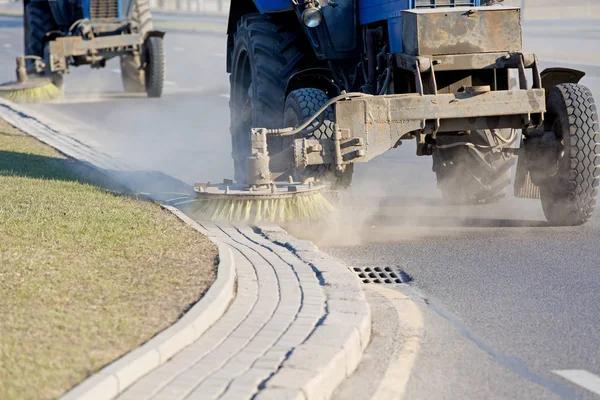
Ongoing maintenance extends the lifespan of paved areas by addressing wear caused by constant vehicle movement and environmental exposure. Routine inspections identify cracks early so they can be sealed promptly; periodic resurfacing restores texture quality; cleaning prevents debris accumulation which otherwise accelerates deterioration processes like corrosion on metal reinforcements beneath concrete surfaces.
In summary, complete commercial pavement work demands comprehensive expertise spanning design through upkeep phases tailored specifically for parking lots and roads subjected to heavy daily usage conditions. Investing in professional services guarantees functional infrastructure supporting business operations efficiently while maintaining safety standards expected within public access zones commonly found around commercial properties worldwide today.
Solid Paving & Concrete
2901 Riva Trace Pkwy #103, Annapolis, MD 21401
301-500-0309